

Every election season, NJ Pen invites candidates running for local office to tell voters a bit about themselves and their priorities before the ballots are cast.
We produce these profiles in the public interest, but our journalism is possible only through small, regular contributions from our readers — so if you’re reading this for free, it’s because other readers have made it possible for us to offer it to you.
To support our ability to keep doing this work year-round, please become a subscriber.
Six Audubon residents are running for three available three-year terms on the Audubon Public School District Board of Education: Mark Gatti, Garrett M. Gouveia, Christopher Proulx, Ian Reutlinger, Catherine Schmutz, and Bill Wilson.
All candidates have been invited to reply to the same set of prompts, telling voters about themselves, their priorities, and their views of the current state of affairs in their community. Answers have been edited for clarity and length.
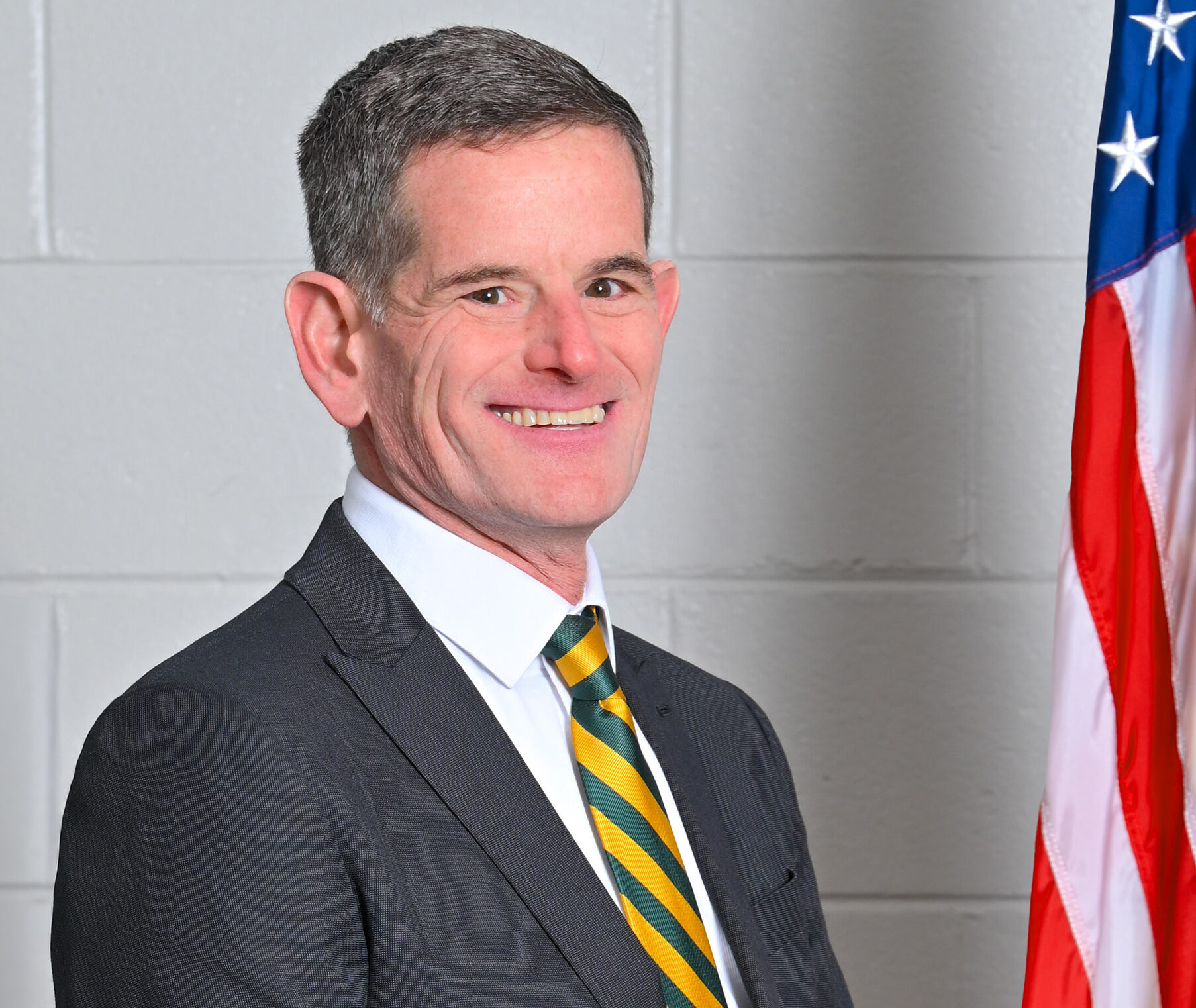
Mark Gatti, 58 (Incumbent)
Mark Gatti is a cartographer with the Delaware Valley Regional Planning Commission (DVRPC) and the current DVRPC Associate Manager of Geospatial Information Systems.
Gatti, a third-generation Audubon resident, has lived in the borough for 33 years with his wife Deirdre. They are the parents of two adult sons who both attended Audubon public schools.
Gatti is a marathon runner, an amateur woodworker, and a self-described “huge music geek” who has served on the Audubon BOE for the past three years.
In that time, he has chaired its Operations committee and served on its Human Resources and Audubon/Mt. Ephraim Ad Hoc committees.
What is your philosophy of education?
I believe that it is the responsibility of the school district to give every student an opportunity for an education that will enable them to reach their highest possible academic and social level of development.
What personal and professional experiences would you bring to the table as a school board member?
As a longtime Audubon resident, husband of a special education teacher, and father to two sons who benefited from attending Audubon schools, I believe that I have the insight necessary to operate at the board level and understand Audubon’s educational landscape.
My three years as a school board member, especially my time serving on the Operations and Human Resource committees, have given me a level of understanding that allows me to provide useful input, ask informed questions of the administration, and better recognize what goes into providing a quality education for our students.
Professionally, my work involves many of the same fields that make up the STEAM (Science, Technology, Engineering, the Arts, and Mathematics) educational approach. I have seen first-hand the importance of a well-rounded, 21st-century education.
Why are you running for office?
I am running for reelection because I want to continue to play a part in assuring that the Audubon School District provides a quality educational experience to all students. My wife and I are proud that our sons attended Audubon schools. We appreciated the opportunities, both academic and extracurricular, offered to them during their time there.
What are the biggest challenges your school district faces?
Two of the biggest challenges facing Audubon are skyrocketing operating expenses and dwindling state and federal funding. In my role as chair of the school district’s Operations committee, I have seen first-hand the strain that increased costs and reduced financial support put on our district.
What are three key issues on which you will focus if elected?
The main issue I would continue to focus on is funding. Audubon has consistently delivered budgets that focus on student needs while remaining fiscally responsible, but continuing to meet those student needs under ever-tightening budgets becomes more difficult every year.
I believe that the state’s current remedy of allowing districts to resolve budget deficits by increasing the local school tax at rates well over the usual 2-percent limit is unfair to the Audubon community, and is simply unsustainable.
The residents of our town have consistently shown their commitment to Audubon schools, but we cannot keep asking them to shoulder the costs of an unchecked healthcare industry and unfunded state mandates.
If re-elected, I would continue to use my role as Operations committee chair to advocate for Audubon schools and Audubon residents. I have attended several forums and symposiums that have allowed me to hear funding formula plans straight from Department of Education administrators and speak directly with the state legislators who have the power to reduce the burden on Audubon taxpayers.
A second issue I would continue to focus on is staff recruitment and retention. As a member of the Human Resources committee, I’ve seen the struggle the district faces in filling open positions, especially support staff positions. The district must find fiscally sound ways to stay attractive to both current and prospective employees.
A third issue I would continue to focus on is improving community engagement. Monthly school board meetings, with their procedural process and time limitations, don’t often allow for robust conversation between the public and the board. That is why I attend events that allow me to hear directly from community members.
Speaking with people at meet-and-greets, back-to-school nights, and other school events has allowed for greater transparency and a better understanding of the community’s concerns. I would like to help the board find even more ways to improve our engagement with the community.
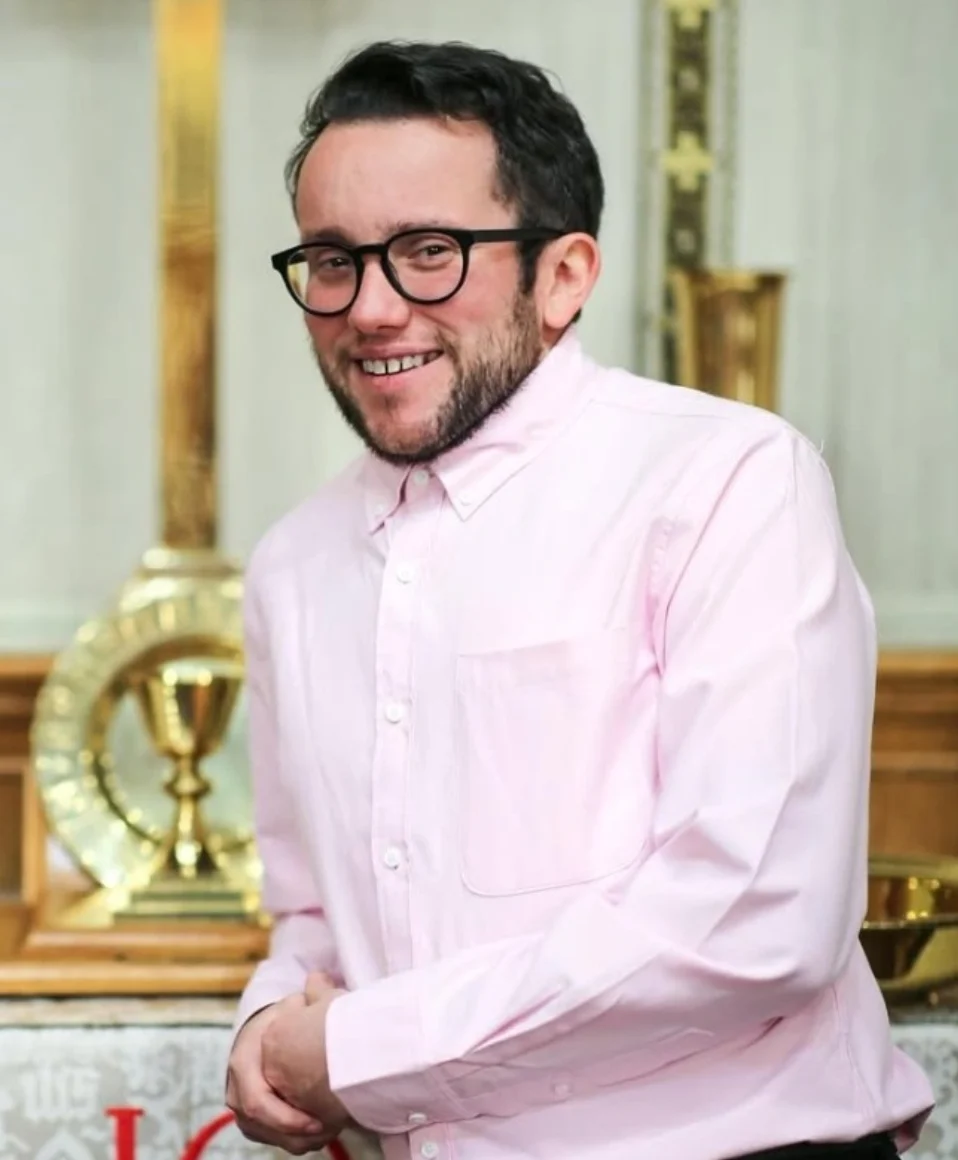
Garrett Gouveia, 37 (Challenger)
Garrett Gouveia is pastor of the Audubon United Methodist Church and husband to wife Ally, with whom he is raising three children in the borough.
The family enjoys camping, hiking, and birding together, while, in his free time, Garrett is a fan of sci-fi/fantasy, anime, and manga.
What is your philosophy of education?
Every child deserves a school where they’re known, challenged, and supported.
Good education is more than test scores.
It builds strong academics, but it also helps kids discover what they’re good at, learn to work with people who are different from them, and grow into confident, responsible adults.
That takes great teachers, strong programs in and beyond the classroom, and families who are treated as real partners. A school district works best when students, staff, parents, and the community all feel they have a stake in it.
What personal and professional experiences would you bring to the table as a school board member?
As a pastor, I work with families of every age and background, and I’ve spent years managing budgets, leading volunteers, and helping groups make hard decisions together. Previously, I served as a hospital chaplain in Center City Philadelphia, sitting with patients, families, and staff in some of the most stressful moments of their lives.
That work taught me to listen first, stay calm when emotions run high, and help people find a way forward even when they disagree. And as a parent of Audubon students, I have a direct, personal stake in getting these decisions right.
Why are you running for office?
I’m running because I care about this district and the families in it, including my own. Over the past year, many people have felt that major decisions were made about them instead of with them. I want to help rebuild that trust.
The board should be clear about what it’s considering, honest about the trade-offs, and committed to hearing from parents, staff, and students before decisions are final. I’m running to bring transparency, clear communication, and a students-first approach to the board.
What are the biggest challenges your school district faces?
The biggest challenge is financial. Rising healthcare costs and shifting state funding are squeezing the budget and forcing tough choices about staffing and programs.
Closely tied to that is trust. The recent staffing controversy showed a gap in communication between the board, the administration, and the community. Hard budget decisions are much harder when people don’t trust the process.
A third challenge is making sure students have the support they need, both academically and emotionally, while resources are tight.
What are three key issues on which you will focus if elected?
Transparency and communication. I’ll push for earlier public conversations on major decisions, plain-language budget information, and real two-way feedback through forums, surveys, and listening sessions.
Responsible budgeting that protects students. When cuts are necessary, we should start farthest from the classroom, explore partnerships, grants, and shared services before eliminating programs, and plan with multi-year projections instead of one-year patches.
Student support and opportunity. I want to protect the teachers, counselors, arts, athletics, and activities that help every Audubon student find their place and succeed.
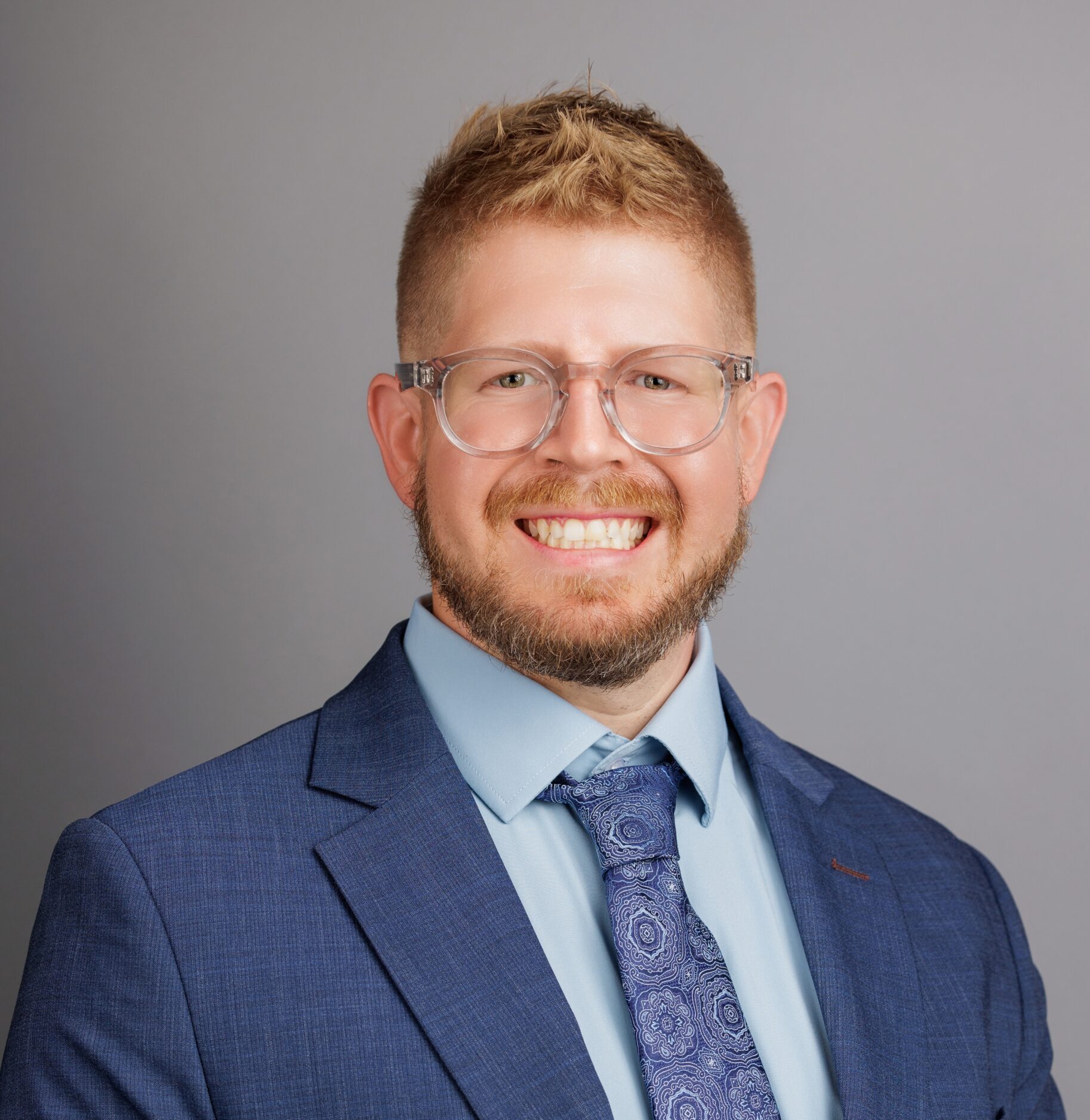
Ian Reutlinger, 38 (Incumbent)
Ian Reutlinger works as a Senior Implementation Success Partner at healthcare AI company Qventus, and holds an MBA in healthcare management from Johns Hopkins University.
Reutlinger moved to Audubon in 2023, where he is raising his young sons, Nolan and Callum, after the loss of their mother, his late wife, Dana.
He enjoys cycling, hiking, and live music, and numbers band, choir, shop, and the Future Farmers of America among his school-aged interests.
What is your philosophy of education?
Every kid should leave our schools with two things: the fundamentals, and at least one thing they found that they love.
Reading, writing, math, and science are the floor, and we shouldn’t apologize for holding kids to it. But the kids who stay engaged through senior year are usually the ones who found their thing, whether that’s band, a shop class, a team, an AP course, or a teacher who saw them.
Schools are also preparing kids for a world that’s changing faster than any curriculum can, so I care less about whether they memorized the right facts, and more about whether they can think, ask good questions, and work with people who disagree with them.
What personal and professional experiences would you bring to the table as a school board member?
I’ve spent 15 years in healthcare technology, most of it getting hospital executives, clinicians, and vendors who all want different things to land on one decision and own it together.
At Philips, I helped take a product from a ten-person startup inside the company to hospitals in seven countries, and led a team of 30 through a reorganization and cuts without losing a customer. I’ve negotiated vendor contracts and service agreements and managed the budgets that go with them.
Since being appointed to the BOE in July, I’ve served on the Governance committee. When the district’s draft AI policy came up, I pulled the research together and brought eight specific amendments so we’d get it right rather than just getting it done.
That’s the kind of member I try to be: prepared, specific, and more interested in what the data says than in what I assumed.
As a parent, my kids are at the front end of this system. Nolan starts kindergarten next year. I’ll be living with every decision this Board makes for the next fifteen years.
Why are you running for office?
I was appointed to fill a vacancy, and I’d like to finish what I started. Audubon is where my wife and I chose to raise our boys, and it’s where I’m raising them now.
I want this to be a district families move here for, from kindergarten through graduation, and I think I have the skills to help get it there.
What are the biggest challenges your school district faces?
Three, and they’re connected.
First, the budget. Health insurance costs jumped sharply this year, and state aid went down, and those two things squeeze everything else. The district made a smart move switching insurers for the same benefits at lower cost, and we need to keep finding savings like that before anyone talks about cutting programs.
Second, grades 7 through 12. Our elementary schools are among the best around, but families researching Audubon see a 3 out of 10 rating for the junior/senior high school. That rating leans almost entirely on state test proficiency, and it doesn’t capture what’s actually happening in the building, including 32 AP Scholars this year, and four years of improvement. We have to raise the state scores and tell the fuller story at the same time.
Third, trust. The principal reassignment last spring showed how badly things go when a decision lands on the community without explanation. The Board and the superintendent are working on it, but it isn’t fixed, and rebuilding that trust will take time and consistency.
What are three key issues on which you will focus if elected?
Making Audubon a destination district through graduation, not just through sixth grade. That means putting instructional time and resources where state results lag, supporting the teachers who are already driving the AP gains, and being honest with the community about where we stand.
Protecting the classroom and the programs that keep kids engaged when the budget gets cut. Teachers, counseling, music, arts, athletics, and career and technical programs should be the last things on the table, not the first.
Communication. People get their information from Facebook, email, texts, newsletters, and each other, and no single channel reaches everyone. I want the community to hear about big decisions earlier, while there’s still something to weigh in on, and I want the Board to publish its goals each year and report back on them.
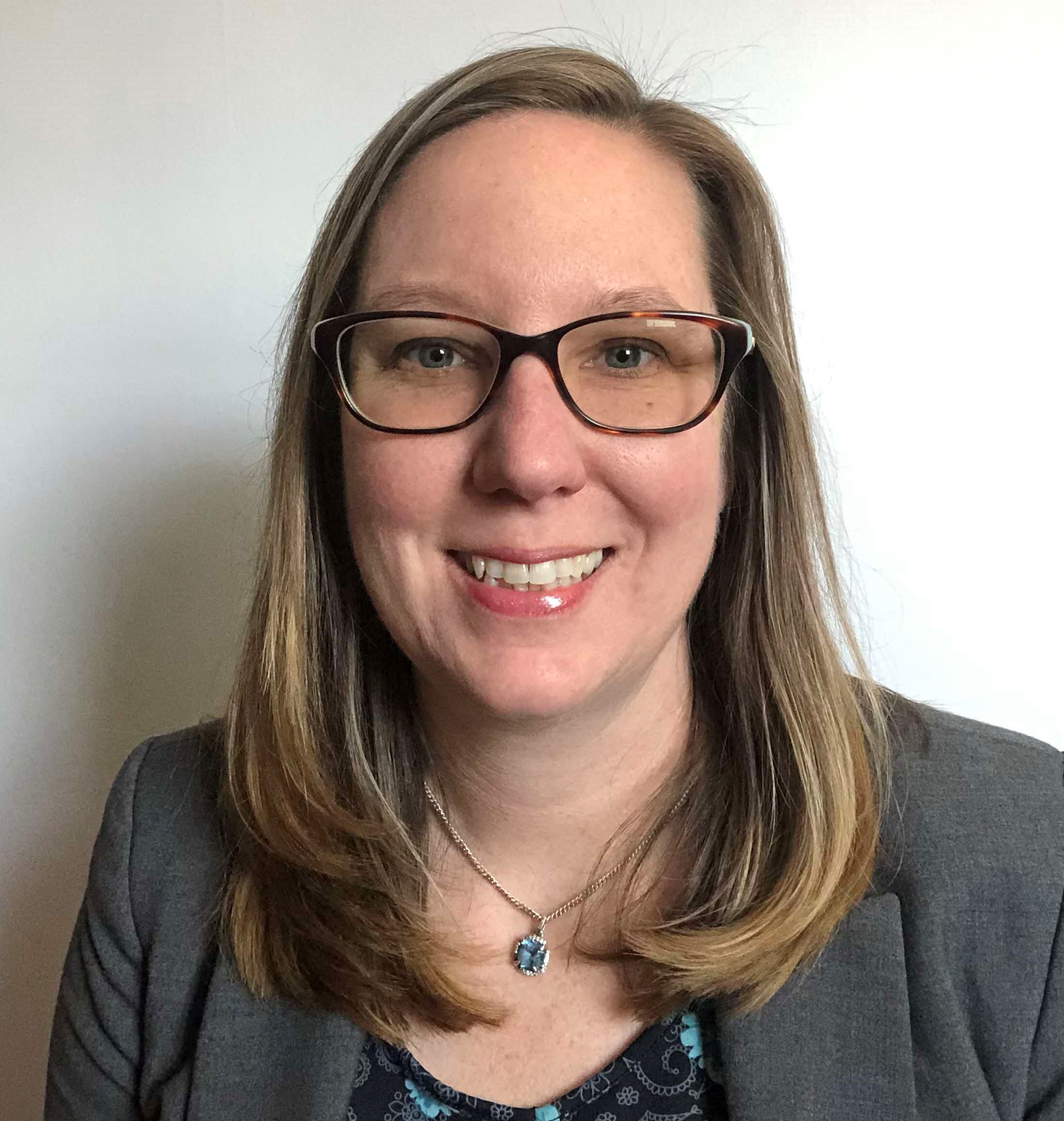
Catherine “Kate” Schmutz, 45 (Challenger)
Attorney Kate Schmutz is a 15-year Audubon resident and married mother to two Audubon Junior-Senior High School students.
Schmutz spends much of her time supporting her daughters’ sports and activities, and also enjoys reading, sewing, and walking her dogs.
What is your philosophy of education?
The goal of education is to prepare the students for life beyond high school.
This requires collaboration among administration, teachers, and the community.
We need to support diverse learning styles while allowing students to explore interests in clubs, arts, and sports, allowing them to grow into well rounded individuals.
What personal and professional experiences would you bring to the table as a school board member?
As someone who was born and raised in South Jersey, a 15-year Audubon resident, and a parent of children attending Audubon’s school system, I see the bigger picture of the needs of each school in the district.
I think the school board can benefit from a diverse group of members with varying personal and professional backgrounds. As a litigation attorney for almost 20 years, I have experience researching, preparing arguments, and analyzing statutes.
My professional litigation experience will assist in evaluating facts, managing risk, asking the right questions and making the best decisions for the students, families and taxpayers in our town.
Why are you running for office?
I am running for my children and our community. I attended a large high school, which has given me perspective on the benefits of living within a close-knit community both inside and outside of school.
My husband and I have loved this town since we first moved here. I want to be a part of helping our town strive. Both my professional and personal experiences afford me qualities well-suited for a board member.
If elected, I intend to keep an open mind, learn from the community and my colleagues, and bring a fresh perspective on the issues presented to the board. I believe that I will make a good representative and voice for the community.
What are the biggest challenges your school district faces?
The biggest challenge the school district continues to face is the budget. Rising costs of living and healthcare have put pressure on budget constraints and are not letting up. The board is tasked with a heavy burden to find a balance while still supporting the needs of the students.
What are three key issues on which you will focus if elected?
Fiscal responsibility, ensuring the needs of the students are met, and improved relationships with the community. I want to assist the board in combating rising costs while ensuring that students’ needs do not suffer.

William “Bill” Wilson, 45 (Incumbent)
Civics teacher Bill Wilson is a married father of two daughters who attend Audubon Schools, and participates in many school events and activities.
As a family, the Wilsons enjoy bike rides, spending time down the shore, and seeing live music and shows.
What is your philosophy of education?
I believe in public education, and I believe that our students in Audubon deserve an amazing educational experience.
That experience must be a well-rounded one.
Students should be challenged in the classroom, but they also need the chance to explore their passions and find enrichment, whether that is in the band, on the stage, on a team, or in a club.
Those are often the experiences that make kids excited to come to school, and which stay with them long after they graduate.
None of that happens without our teachers. I believe that teachers must be supported, and that our resources should be focused where they make the biggest difference: in our classrooms and with the people who work directly with our students every day.
We have some of the greatest staff members and incredible resources in Audubon, and we need to continue to grow and innovate so that we can deliver for our students. When we invest in the people closest to our kids, we are putting students first.
What personal and professional experiences would you bring to the table as a school board member?
As a civics teacher, I spend my days teaching students how government works and why it matters to get involved.
I try to practice what I teach. In my employing district, I have taken on roles that put me at the center of professional development planning for teachers across the district and in the position of advisor on behalf of my grade-level team.
Through that work, I have learned how decisions are made in a school building, how district-wide plans come together, and what it takes to turn a good idea into something that can actually work in the classroom, where it matters most.
I also represent my local union at the county level, which connects me with educators from many different districts. Those conversations have shown me that the challenges Audubon faces are not unique to us. Schools all across New Jersey are wrestling with the same pressures. The problems are widespread, and the solutions will require local leaders who are willing to fight for an outcome that is fair for towns like Audubon.
That is a big part of why I have gone to Trenton to lobby our state lawmakers. The rising cost of health insurance and the unpredictable state funding formula are squeezing districts like ours, and those problems will not be solved at the local level alone. I will keep pushing for reforms that bring down costs so that our schools can focus on what matters most: the students of Audubon.
All in all, I bring the perspective of an educator, an advocate, and an Audubon parent. My time on the board has simultaneously benefited from and contributed to my knowledge of educational institutions.
Put simply, because of my professional and personal experiences, I understand the issues, I have the passion, I speak the language, and I have skin in the game.
Why are you running for office?
I am on the ballot because I feel there is work to be done.
Putting students first means that we must ensure that our teachers have the support they need; that our curriculum provides opportunities for academic exploration and productive struggle; and that our families are brought into the conversation as true partners in their children’s education.
It also means preparing every student for whatever comes after graduation. Not every student’s path looks the same, and our schools should reflect that. For students who are ready to work in a trade or a technical field, I want to expand our vocational offerings so they can gain real skills and real experience before they leave our halls.
For our college-bound students, I want to grow our Advanced Placement offerings so they can challenge themselves and earn college credit while they are still in high school.
And for all of them, we should make sure they leave Audubon ready for the demands of adult life, with the confidence, independence, and work ethic to succeed wherever their path leads.
I have seen the progress we have made, and I know there is more we can do. Our students deserve schools that open doors for every one of them, and I would like the chance to keep working to make that happen.
What are the biggest challenges your school district faces?
The biggest challenges we face are financial. Health insurance costs have been climbing at a rate that is simply unsustainable, and more increases are on the horizon.
At the same time, the state funding formula is so unpredictable that it is difficult to plan from one year to the next. Year over year costs increase faster than state funding does, leaving districts like ours in the difficult position of choosing between raising taxes and making cuts. That is not a choice any community should have to keep making.
Relief needs to come through reforms made at the state level, and I will continue to fight for that change. However, if lawmakers do not take action, we will have tough decisions to make. When we do, we must look first at areas that do not directly impact our students’ day-to-day experience, and we must make those decisions together, with our community in the conversation.
The good news is that our greatest strength is our community. We are a small town where people show up for our schools and for each other. As long as we keep working together and keep our focus on our students, I am confident we can meet these challenges.
What are three key issues on which you will focus if elected?
First, I will continue fighting for fair state funding and real reform on health insurance costs so that our schools can stop bracing for the next budget crisis and start planning for the future.
Second, I will keep working to build trust through transparency and open communication, so that our families, staff, and students are true partners in the decisions that affect them.
Third, I will focus on giving every student a well-rounded education and a path forward. That means supporting our teachers, protecting the programs that make kids excited to come to school, keeping an honest eye on academic growth, and expanding our vocational and Advanced Placement offerings so that every student leaves Audubon prepared for whatever comes next.


